Written by Khalifa bin Ali Al-Rawahi
Discussing the latest developments in sickle cell anemia treatment
Professor Salam bin Salem Al-Kindi, consultant in genetic hematology at Sultan Qaboos University Hospital, said that the success rate of stem cell transplantation in the Sultanate of Oman has reached 90%, but due to the limited number of beds, the government is working on securing some operations abroad.
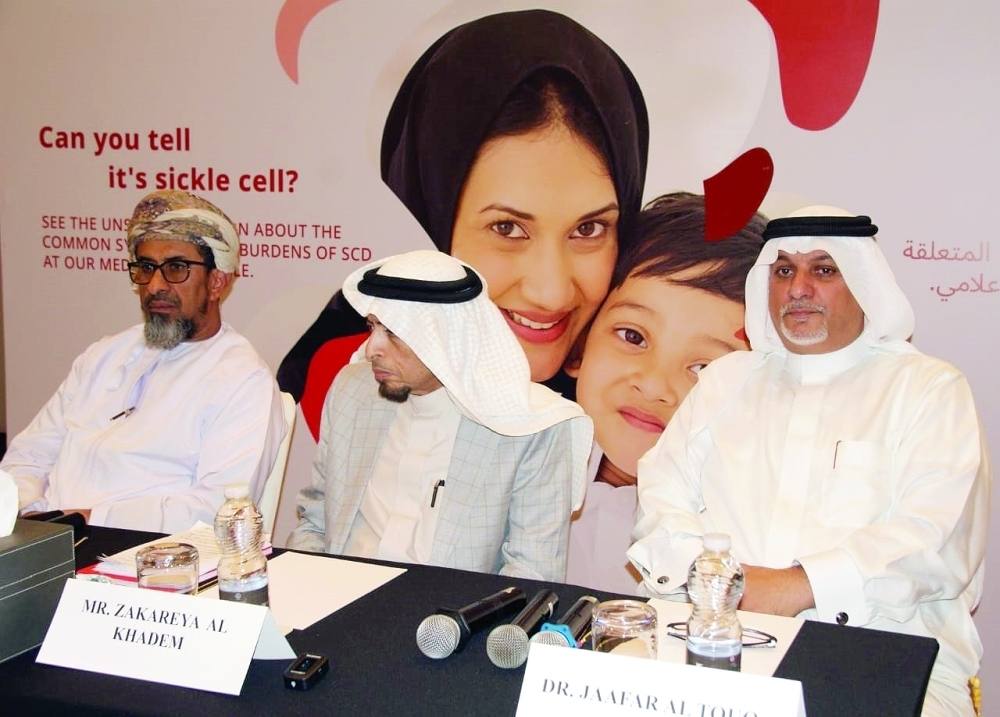
Speakers at a panel discussion organized by Pfizer Gulf at the JW Marriott Hotel in Muscat, to discuss developments in sickle cell anemia treatment, explained that despite recent advancements, there is a need for effective treatments for the main factors causing the disease and associated complications. Experts in the field of sickle cell anemia provided valuable insights and important perspectives on patient experiences, the physical constraints of this disease, and the importance of proactive management.
Success rates
The session reviewed the latest data from the Sickle Cell Disease Health Awareness, Perspectives, and Experiences survey, aiming to form a deeper understanding of the challenges faced by those affected by this disease. Sickle cell anemia is considered a progressive genetic blood disorder, characterized by symptoms including hemolytic anemia, acute pain crises, and multiple organ damage.
Regarding the most promising treatments besides bone marrow transplantation, Professor Salam Al-Kindi said: “There is no cure that eliminates the disease, but there are treatments that help improve the patient’s quality of life, including hydroxyurea treatment, which is good and has promising results. There is also treatment through blood exchange, which has several consequences, as well as gene therapy.” He emphasized that the only treatment to eliminate the disease is stem cell transplantation for the patient.
Al-Kindi added that current developments in sickle cell anemia research and clinical practices, including innovative therapeutic approaches and ongoing initiatives, aim to improve treatment outcomes for patients and their quality of life, confirming the state’s commitment to addressing sickle cell anemia. He explained that the conference held by Pfizer, coinciding with World Thalassemia Day on May 8th each year, aims to exchange ideas and information about patient experiences, the psychological and social burdens of this disease, and continuous awareness of the importance of avoiding these diseases through voluntary early screening before marriage. He clarified that there is no primary solution for this disease, but there are medications that alleviate crises. Treatment began with the emergence of one drug, and over time, several new drugs appeared that can reduce the risk of anemia and improve blood flow throughout the body.
He added: “There are about 8,000 sickle cell anemia patients in the Sultanate of Oman, of whom 3,000 receive their treatment at Sultan Qaboos University Hospital. Available statistics show that 120 patients died from this disease over the past 20 years, a statistic that covered the university hospitals, Sohar, and Nizwa. Despite the low number of deaths, we regret this.”
Challenges and burdens
For his part, Zakaria Al-Kadhem, founder and president of the Bahrain Society for Sickle Cell Anaemia Patient Care, said that sickle cell anemia is one of the genetic diseases that cause negative repercussions on the physical and emotional health of patients and healthcare providers. In a systematic review of the disease, it was found that sickle cell disease is a major public health concern in the Gulf Cooperation Council countries, with prevalence rates in the region ranging between 0.24% and 5.8%.
He added that in the latest survey study of patients with sickle cell disease and healthcare providers, which included 10 countries, including Gulf Cooperation Council countries, contributed to providing realistic evidence about the significant burdens resulting from the disease, and the importance of improving patients’ access to healthcare services, and strengthening the relationship between patients and healthcare providers, as a shared responsibility between patients and those who have the ability to influence and make a change. The main results of the survey also indicated that fatigue, bone pain, and pain crises resulting from vascular occlusion are among the most common symptoms that negatively affect the quality of life of patients and healthcare providers. The study addressed the significant impact of sickle cell disease on daily activities, where patients and healthcare providers reported that the average absence from school or work reached 3.9 days per month, confirming that the results of the Sickle Cell Disease Health Awareness, Perspectives, and Experiences survey in the Gulf region provide valuable information and insights about the experiences of patients suffering from this disease and healthcare providers, and by conveying the voice of sickle cell patients, we are working to raise awareness levels about the disease and take serious steps to deal with the unequal conditions and challenges faced by sickle cell patients.
Zakaria Ibrahim Al-Kadhem pointed out that the big challenge is the lack of understanding, whether from society or the patient, so the big challenge is to create a culture of trust in doctors, and the doctor must also consider the patient’s feelings and alleviate the psychological effects of the disease, emphasizing that the Omani and Bahraini experience is considered a roadmap in understanding this disease, both for the patient and society, which in turn contributes to improving the psychological aspects of the patient.
Dr. Jaffar Al Toq, consultant in genetic hematology at the Genetic Blood Disorders Center at the Bahraini Ministry of Health, said: “Recognizing the importance of the pivotal role of genetic blood disorders in the diagnosis and management of sickle cell anemia enables us to address challenges, reduce disparities, and enhance patients’ access to healthcare services in Bahrain. Through collaboration with prominent leaders of patient advocacy groups, we can raise awareness and improve the quality of care, and provide support for those affected by sickle cell disease.”
He added that sickle cell anemia is a genetic disease passed from parents to children and is diagnosed through a blood sample, explaining that there is more than one type of sickle cell, each with its complications, clarifying that the best medicine for this disease is prevention through early diagnosis and identifying families most at risk of the disease to prevent marriage, noting that the Kingdom of Bahrain began optional premarital screening processes since 2006, which has now become mandatory, contributing to reducing the incidence of genetic blood diseases, including sickle cell anemia.
He added by saying: “Awareness about the disease, and ways to prevent it is very important in societies, and its importance includes educating the patient in understanding treatment options to alleviate the psychological effects on the patient, therefore, it is important for families with a sickle cell patient to know that being affected by diseases is not the family’s fault but is due to genes, and policymakers should also be educated to introduce laws to prevent the occurrence of the disease or reduce infections by approving mandatory premarital screening, and introducing laws for sickle cell patients that help them cope with and accept the disease, explaining that the University of Bahrain has approved, within a package of laws, allowing sickle cell patients to stay in university studies from 4 years to 8 years, thus avoiding the process of dismissal in cases of interruption due to illness.
Promoting innovation
For her part, Dr. Nadine Tarcha, Medical Director of Pfizer in the Gulf region, said: “Those affected by rare diseases such as sickle cell anemia, and the large number of families and healthcare providers who serve and care for these patients, deserve more support from us, and we have been working for more than 30 years with rare disease communities around the world to develop a roadmap to promote innovations that can make positive changes in people’s lives, and we continue to work at Pfizer Gulf in collaboration with a group of key partners to establish a community of awareness, expertise, and shared resources to help meet the needs of sickle cell patients throughout their treatment journey.”