Al Hamra – Abdullah bin Mohammed Al Abri –
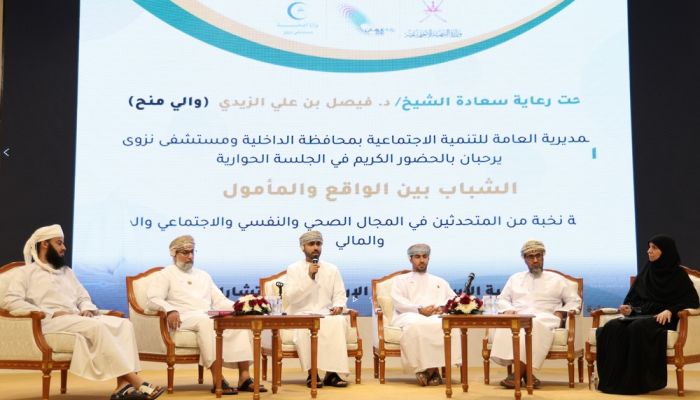
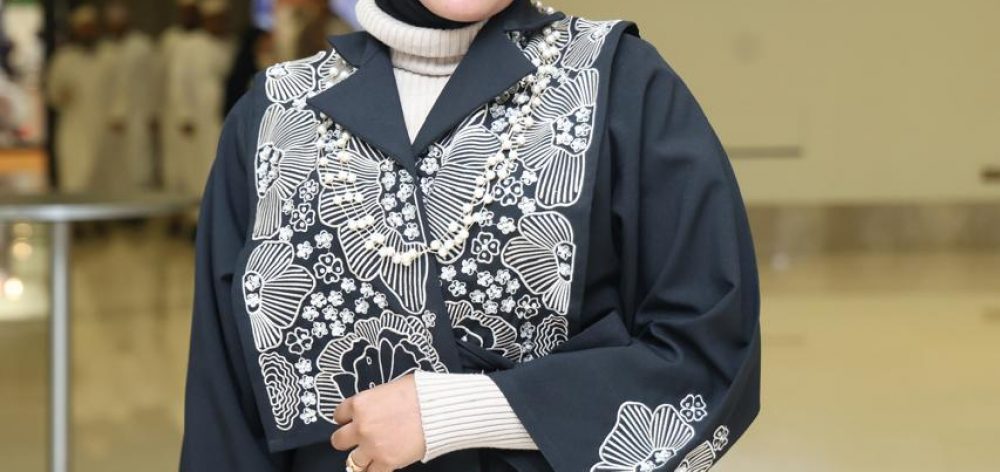
The Department of Social Development in the Bahla and Al Hamra sectors organized a lecture titled “Marital Counseling” as part of the activities of the Fourth Social Work Week organized by the Ministry of Social Development. The lecture was held in the Al Hamra Club hall, attended by Sheikh Ali bin Mohammed Al Tamimi, Deputy Governor of Al Hamra, and Mohammed bin Khalid Al Qamshouei, Assistant Director of the Department of Social Development. The lecture, presented by Zuwaina bint Khamis Al Hinai, a family counseling and guidance specialist at the Department of Social Development, covered “Marital Counseling.” It aimed to educate the audience about preparing and qualifying young men and women for marriage, emphasizing that married life represents building a righteous family before building a marital home, and that it should be a life filled with affection and mercy.
The lecturer emphasized that the wife must be merciful to her husband, and likewise the husband, when either of them goes through any life circumstances such as illness or financial difficulties, among others. She also addressed the purpose of marriage, explaining that goals differ from person to person, but marriage has main objectives. These include religious purposes through compliance with God’s commands, which He legislated in His religion and recommended through His noble Prophet to earn reward. She also explained psychological goals, such as feeling love and affection for the other party, health goals of protecting oneself and one’s spouse from diseases, and social goals of taking responsibility for building a righteous family.
In her lecture, she explained the qualities that an engaged girl should possess, such as religiosity, good character, being affectionate and fertile, and the importance of compatibility between the young man and woman in social, educational, and financial levels. She also defined the concept of engagement as requesting marriage from the girl’s guardian, either explicitly or implicitly. After that comes the religious aspect, including the permissible Islamic view between the man and woman in the presence of a mahram. This view determines the extent of acceptance between the two parties and is a right for both the man and woman. The girl should not appear in this religious view adorned with makeup but should appear in her natural state. After the engagement, God has prescribed the prayer of Istikhara for them. Both parties have the right to seek advice on agreeing to complete the marriage by taking the opinion of family and friends. Among the things that should be avoided during engagement are interactions through social media and sending pictures of the young man or woman, as this could generate jealousy if one party rejects the other or if the marriage is not completed, which could lead to electronic blackmail.
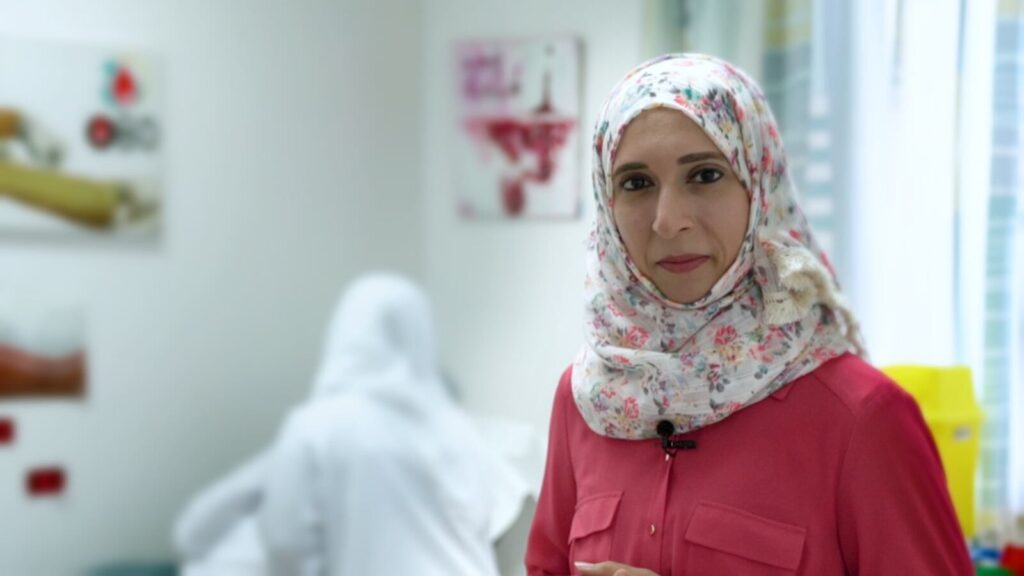
She discussed the etiquette of engagement, which includes mentioning the positives and negatives of both parties and being clear about diseases and physical defects. She then addressed the concept of betrothal, which is the period from the marriage contract to the wedding, when the girl has become under the man’s protection. This is a period of increased acquaintance and psychological preparation for separation from their families and forming a new family. Al Hinai also discussed in her lecture the importance of medical examination before marriage to ensure that each party is free from infectious diseases, limit the spread of hereditary blood diseases, avoid health, psychological, and family problems, and also reduce the financial burden on the family, society, and health institutions. A video clip was shown about the importance of medical examination before marriage and the negative effects of not paying attention to medical examination. The importance of adhering to the customs and traditions of both families was also explained, as well as knowing the couple’s goal in life, discussing the nature of the job and its pros and cons, knowing the limits of in-laws’ interference, mentioning physical defects if present, not delving into intimate conversations, not disclosing secrets and past experiences. It was also emphasized that the wedding should be far from extravagance and waste, taking into account the financial circumstances of some families and not imitating others.