Interview – Ghalia Al-Dhakhria
The number increases by two to three new cases per year
Hemophilia (or bleeding disorder) is one of the inherited blood diseases resulting from a deficiency of proteins necessary for blood clotting (clotting factors), where the blood of the affected person does not clot normally, causing them to bleed for longer periods. This results in the blood not clotting normally, and the patient’s bleeding may continue after any injury for a longer period compared to if the blood were clotting properly.
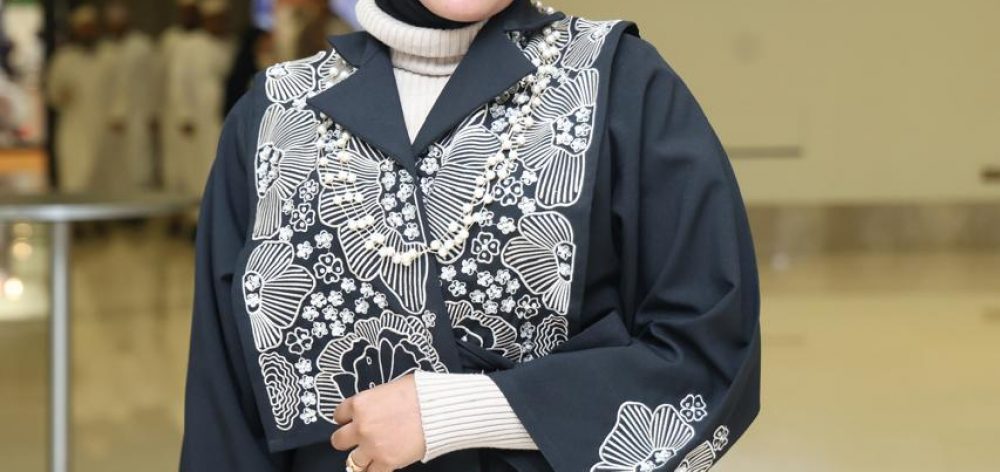
Dr. Nawal bint Hamad Al-Mashaykhiya, Consultant in Pediatric Hematology and Oncology at the University Hospital, explained that the most common type is Hemophilia A, associated with low levels of Factor 8, followed by Hemophilia B, associated with low levels of Factor 9. The total number of people with Hemophilia A in the Sultanate of Oman is 280 for severe cases, noting that the number increases by two to three new cases per year. A larger number is expected for mild and moderate cases due to lack of detection, which highlights the role of community awareness about hemophilia. As for the number of people with Hemophilia B, it does not exceed 20 individuals.
Genetic Disorders
Regarding how an individual knows they are affected and how the disease develops, the doctor stated: The cause of hemophilia is due to disorders in the genes responsible for manufacturing blood clotting factors, whether the disorder is in inherited genes on the X chromosome, which are transmitted and show symptoms of hemophilia, or due to genetic mutations during the formation of clotting factors in the child, despite the absence of infections in either parent or family. Males are generally more susceptible to hemophilia because they carry only one copy of the X chromosome, while females carry two copies of the X chromosome and therefore have the possibility of being carriers of hemophilia.
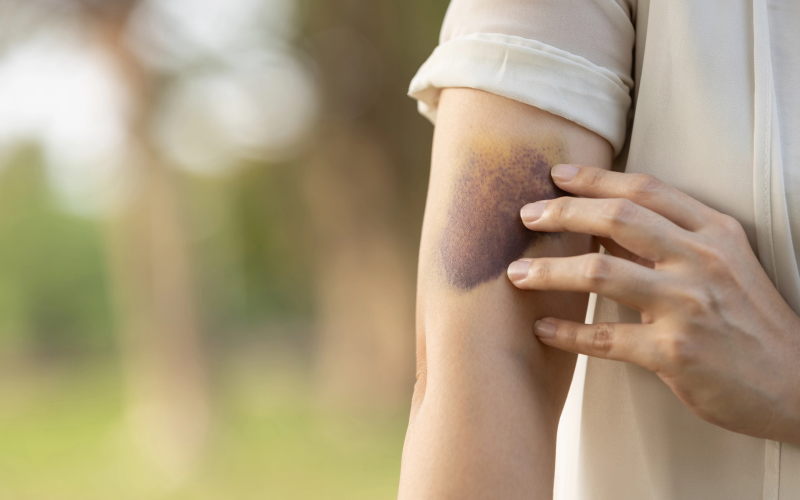
The blood and pediatric consultant adds that a person with hemophilia is prone to bleeding in any part of the body, both externally and internally, especially in muscles and joints. It may occur spontaneously or after minor injuries, or after some minor procedures such as circumcision and tooth extraction. She adds that in some cases, the disease is discovered when the child starts crawling or walking, where falls are frequent, resulting in bruises and bleeding in the joints, especially the knees. Sometimes the disease is mild or moderate, with symptoms only appearing during surgical interventions such as tooth extraction or tonsillectomy. Diagnosis is made through a blood test to measure the factor level in the body.
Management
Regarding how the family deals with an individual with hemophilia, she explained that after diagnosis, the patient needs follow-up with a hematologist to determine the number of factor doses needed and to ensure there are no antibodies against the factor through blood tests. Exercise and maintaining a healthy weight are recommended to protect the joints while avoiding violent sports that require physical contact and expose the patient to bleeding, which is done in cooperation with the school.
If a person with hemophilia needs any surgical intervention, they need to inform the medical staff of their medical history, and thus they are given the factor they need before the operation and may continue for days depending on the type of operation and the percentage of factor deficiency. In case of bleeding, the patient is taken to the nearest hospital or health center to take the factor immediately, to treat the bleeding early and appropriately. It is advised to avoid taking medications (such as aspirin and ibuprofen) as some may affect the blood’s ability to clot. It is also recommended to take care of teeth and gums and have regular check-ups with the doctor.
Treatment
The doctor said: Treatment is either by giving the missing factor in the body through injections when bleeding occurs, or on a regular schedule to prevent bleeding. Other treatments include “desmopressin” in some cases of mild hemophilia, which can stimulate the body to secrete more clotting factor. It can be injected slowly into a vein or taken as a nasal spray. Or “Emicizumab (Hemlibra),” which is a modern drug that does not involve clotting factors, and may help prevent bleeding episodes in people with Hemophilia A, especially in the presence of antibodies to the clotting factor.
In addition to antifibrinolytic drugs that help prevent clot breakdown, also known as antifibrinolytics, which can be given as a topical medication, especially after dental procedures. Physical therapy can alleviate signs and symptoms in case of joint damage due to internal bleeding, while severe damage cases require surgical intervention. For first aid in case of minor wounds in general, light pressure and the use of a bandage will provide sufficient care for bleeding. Cold compresses can be used for small bleeding areas under the skin, and ice pops can be used to slow minor bleeding inside the mouth. There is also gene therapy that is undergoing clinical studies, and there are some trials on some drugs that have a longer effect than the clotting factors currently used.